Specifying a 3D ACM cassette façade
A relief ACM cassette is not a catalogue product: it is a geometry folded from a flat sheet. What makes it buildable or not is decided when it is specified, not in the workshop. This page says what to fix, what to leave open, and what the fabricator will receive.
To specify a 3D ACM cassette façade, fix four things: composite thickness (4 mm is standard), finish (RAL colour and gloss), relief family and depth, and the layout module. Leave cutter angles, bend deduction and sheet nesting to the fabricator: those are machine data, and imposing them in a specification produces parts that are unbuildable or needlessly expensive.
What a relief cassette imposes, and the drawing does not show
A cassette is folded from a flat sheet: the plane angles around every relief vertex must sum to 360°, otherwise the part does not unfold. A vertex that misses it is handled with a short slit, closed on assembly — visible up close, invisible from two metres. Every family in this catalogue is checked developable before it is offered: a geometry that is not cannot be exported.
The consequence for the specifier: relief costs material, not just appearance. A 600 × 400 mm plateau folded with 40 mm returns consumes a 704 × 504 mm blank. It is that blank, not the visible face, that decides how many parts fit on a sheet — and therefore the price.
The four decisions that are yours
Thickness drives stiffness and groove depth: at 4 mm, routing leaves a 0.4 mm skin acting as the hinge. Thinner does not hold large modules; thicker loads the substructure.
The finish — RAL colour, matte, satin, gloss, brushed, mirror — changes how the relief reads far more than its depth does. A 25 mm relief in mirror finish reads from further away than a 60 mm relief in matte.
The family and its depth set the shadow register: single slope for a soft gradient, pyramid for a hard shadow, faceted wave for a vibration that shifts with the hour.
The layout module — cassette size and joint between parts — sets the façade rhythm. A 12 mm shadow gap is the common value; it is what absorbs installation tolerance.
What is better NOT written
Do not impose a cutter angle: "135° groove" does not mean the same thing depending on whether the workshop counts the tool angle or the finished corner. The generator resolves the required angle from the geometry and the cutters actually available.
Do not impose a bend deduction: it depends on the material, the tool radius and the angle, and a serious workshop calibrates it on a coupon. A value imposed in the spec turns into wrong dimensions across the whole façade.
Do not impose the nesting. The sheet format (1220 × 2440 / 1500 × 3200) and grain direction decide the yield; optimising it is the fabricator’s job, under the appearance constraint that you set.
What the fabricator receives
A CNC-ready multi-layer DXF: outer contour and holes, groove axes sorted by cutter angle onto separate layers, drillings as circles, part marks. R12 by default, R2000 optional — both read by common CAM software.
A cut sheet and a nesting layout: parts per sheet, waste percentage, material area. A quotation is built on those numbers, not on an estimate.
And each family’s fabrication constraints, written out on its page before anything is configured.
For the specification
Model clauses, to adjust to the project. Bracketed values are yours.
- Material
- Aluminium composite panels 4 mm, mineral or polyethylene core per required fire classification, pre-coated aluminium skin.
- Finish
- RAL colour [____], [matte / satin / gloss / brushed] finish, visible face free of scratches and tool marks.
- Geometry
- Relief cassettes of type [family], relief depth [__] mm, module [__] × [__] mm, perimeter returns [__] mm.
- Execution
- Folding by V-grooving from the back, residual skin preserved; cutter angles and bend deduction are the fabricator’s responsibility, calibrated on a coupon.
- Layout
- Shadow gap [12] mm between cassettes, recessed substructure, joints [aligned / staggered / mirrored per row].
- Submittals
- Multi-layer fabrication DXF and per-sheet cut list to be issued before production release.
The palette: 39 families
Every family is parametric: sizes and relief depth are adjustable, the geometry stays guaranteed developable.
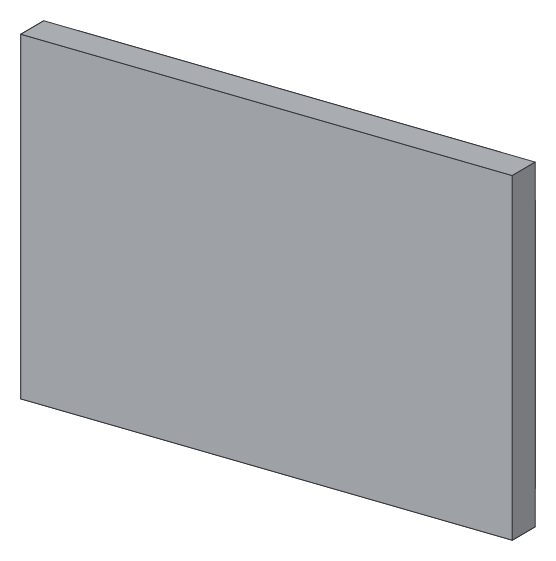 Flat cassette
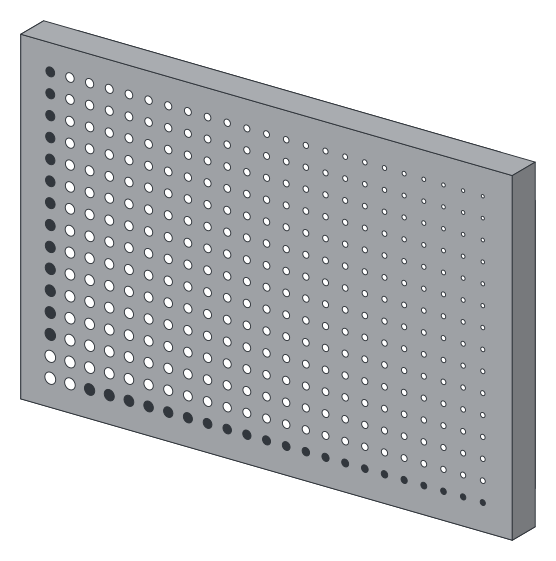 Perforated cassette
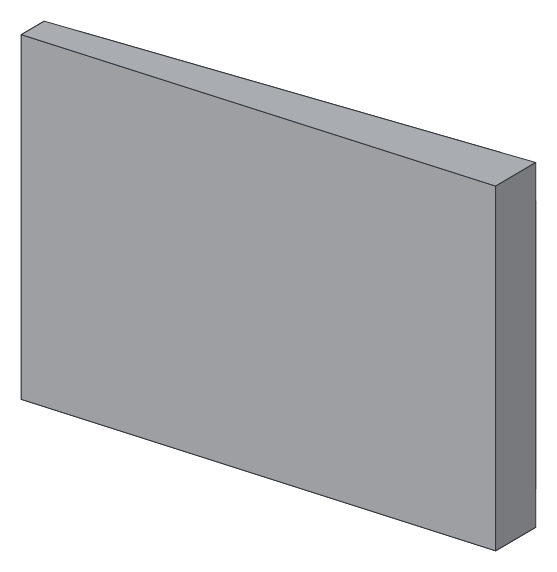 Single-slope cassette
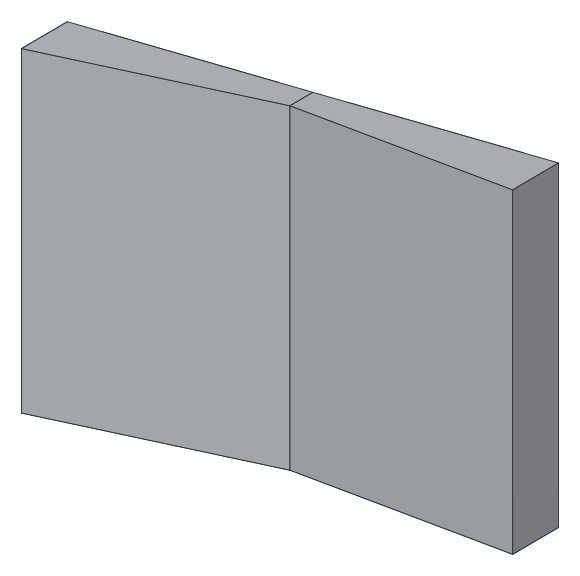 V cassette
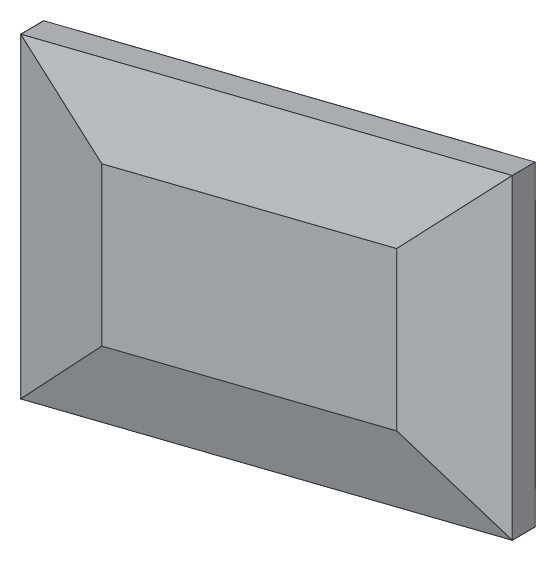 Truncated pyramid cassette
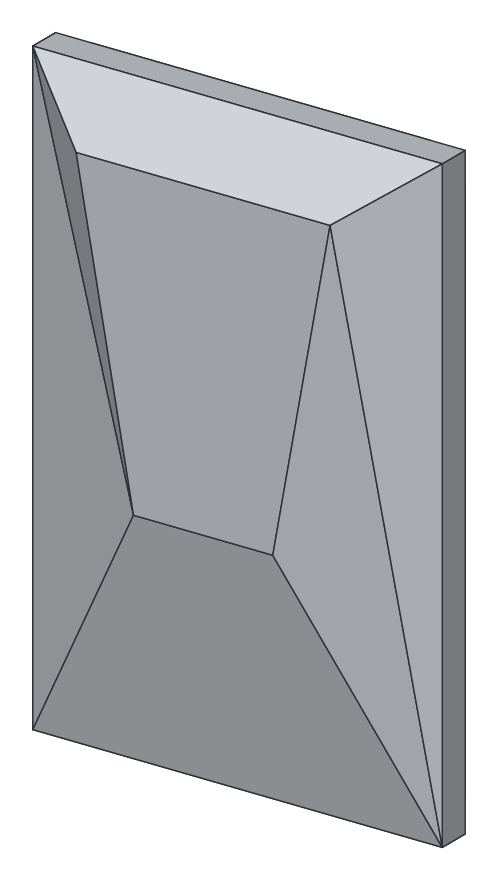 Trapezoidal plateau cassette
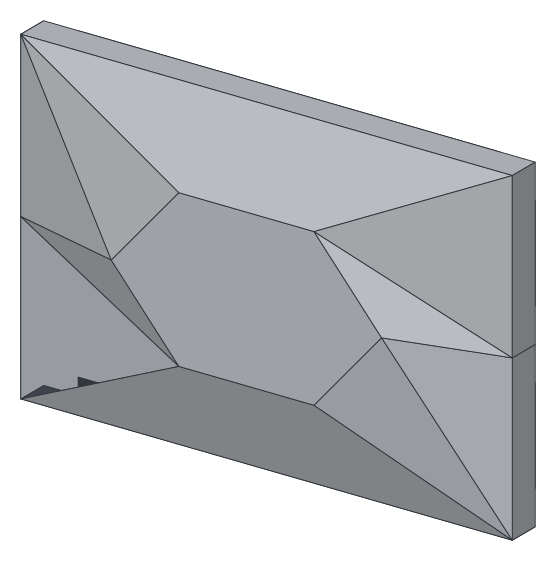 Hexagonal plateau cassette
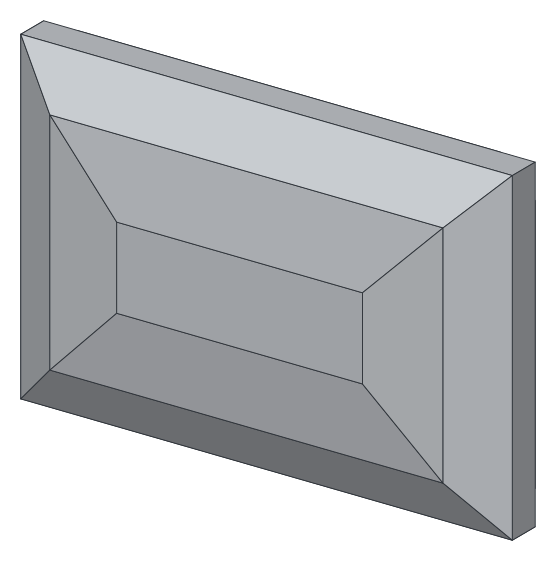 Mansard pyramid cassette
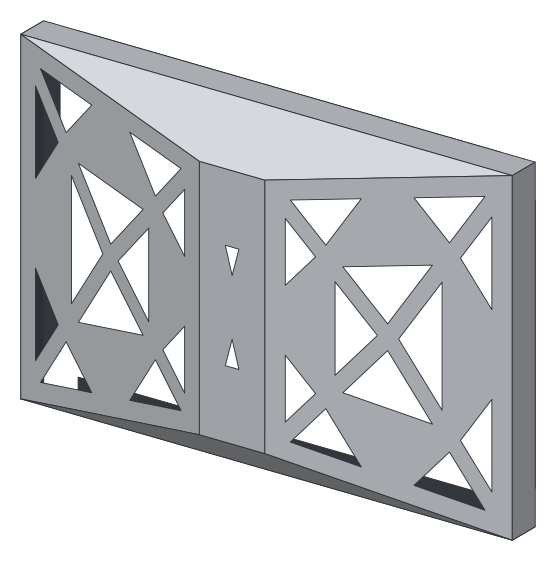 Perforated trapezoidal prism
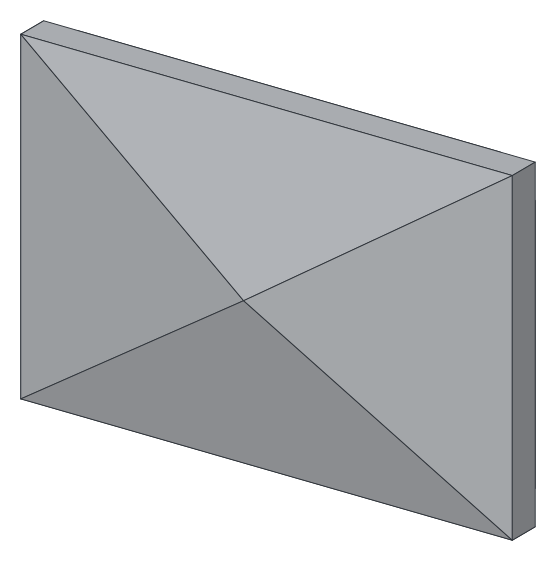 Diamond cassette
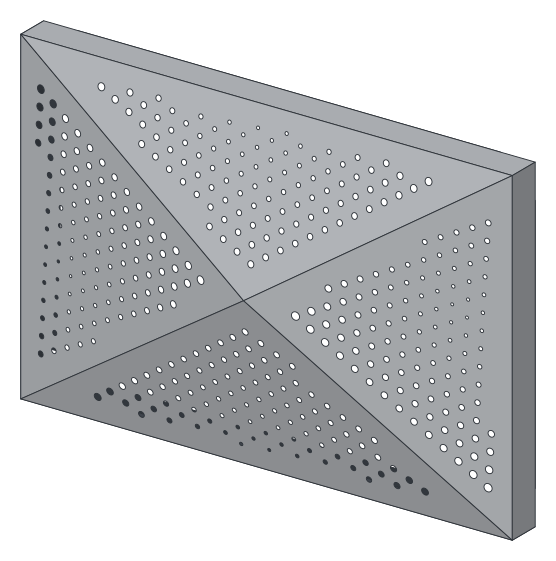 Drilled diamond cassette
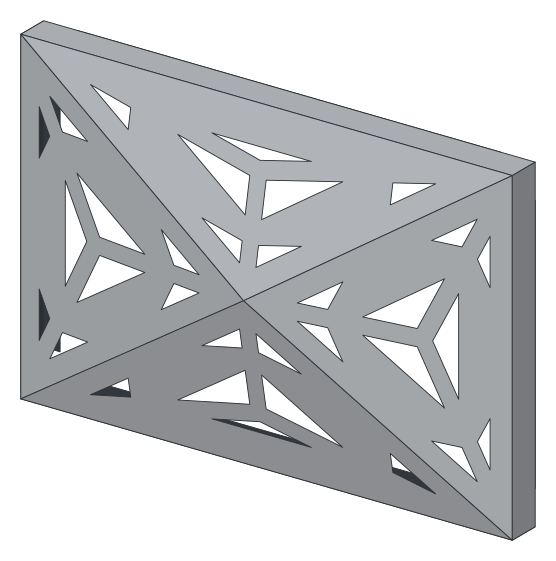 Perforated diamond cassette
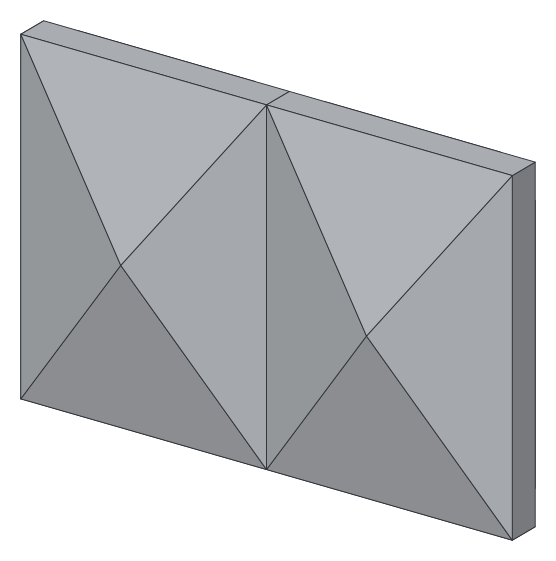 Twin diamond cassette
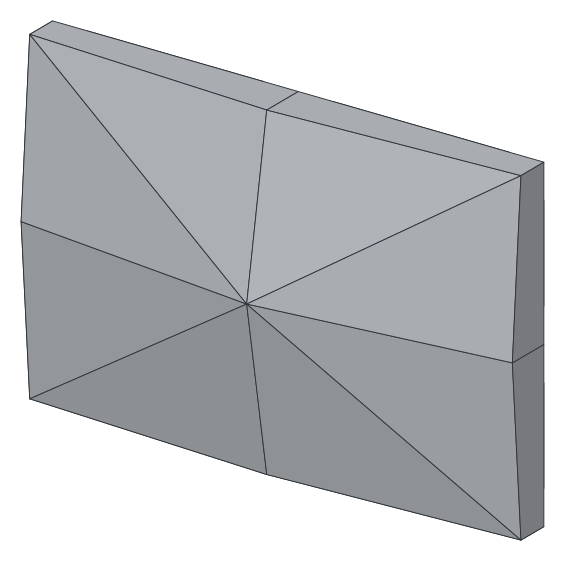 Eight-facet pyramid cassette
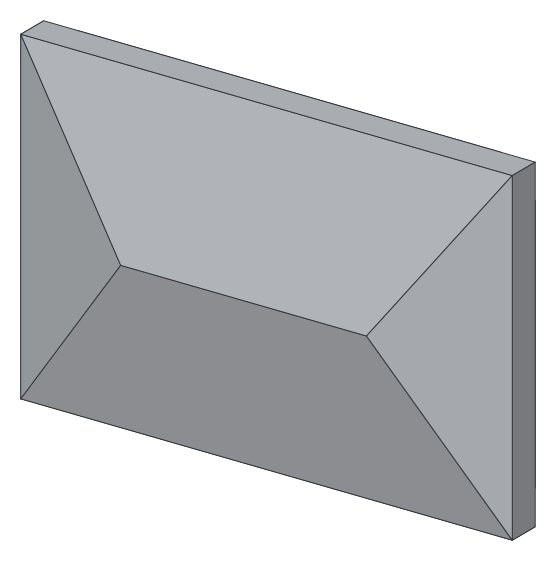 Ridge cassette
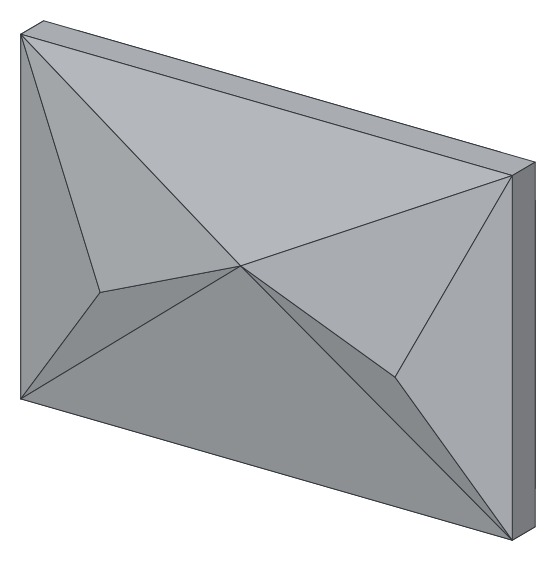 Chevron cassette
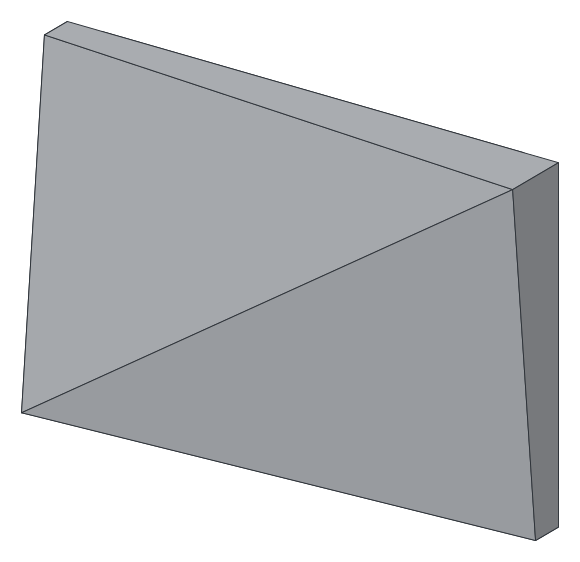 Diagonal-fold cassette
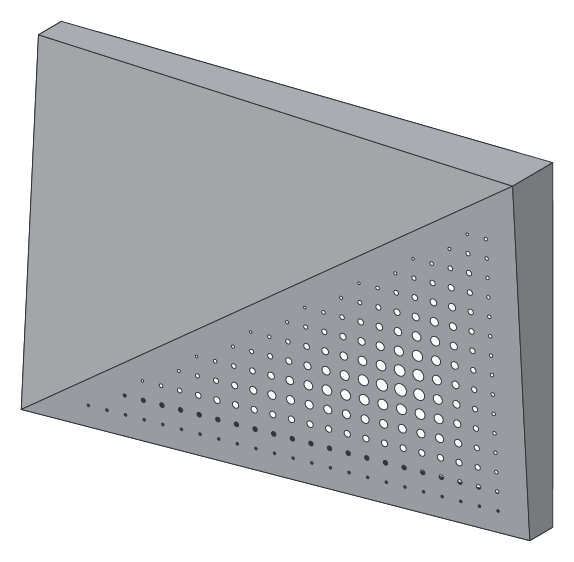 Perforated diagonal fold
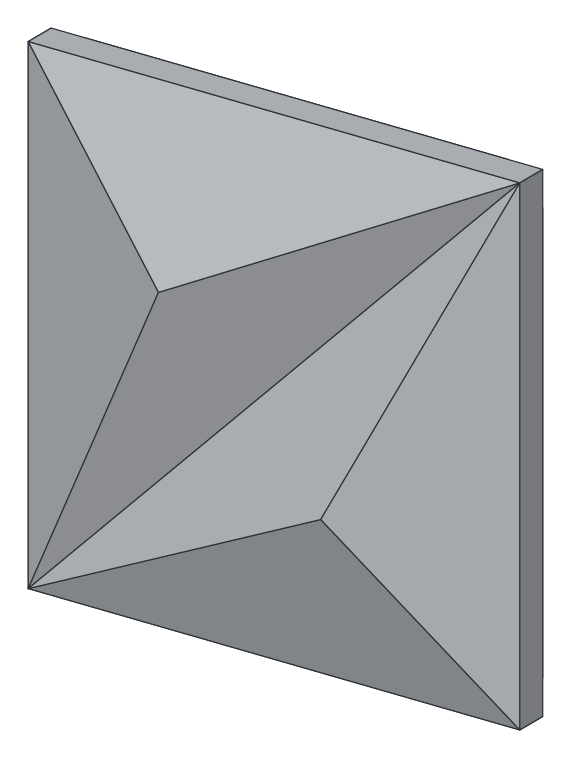 Twin diagonal slope cassette
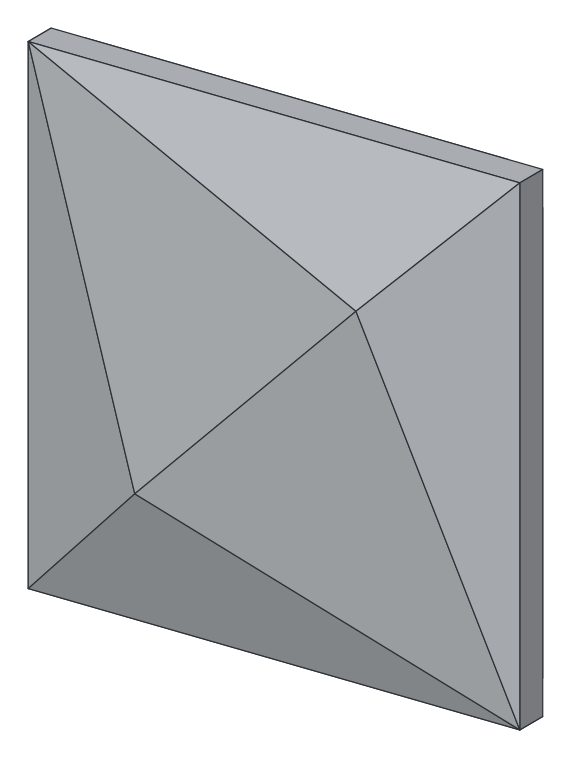 Diagonal ridge cassette
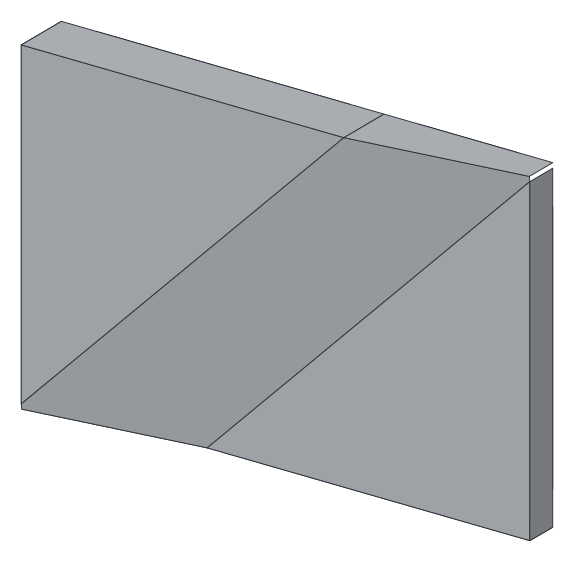 Diagonal band cassette
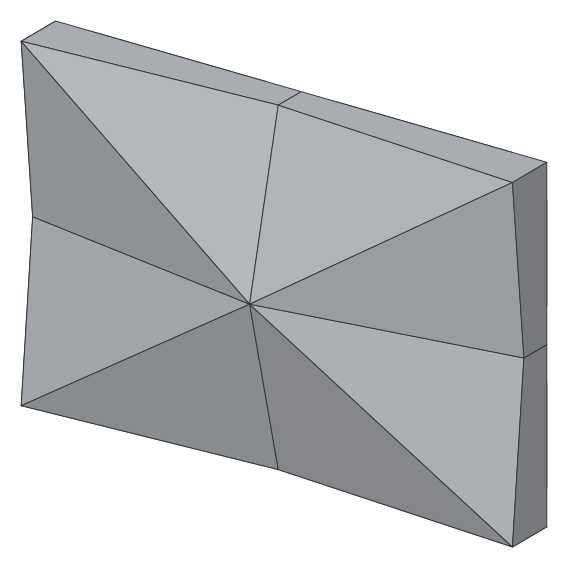 Star cassette
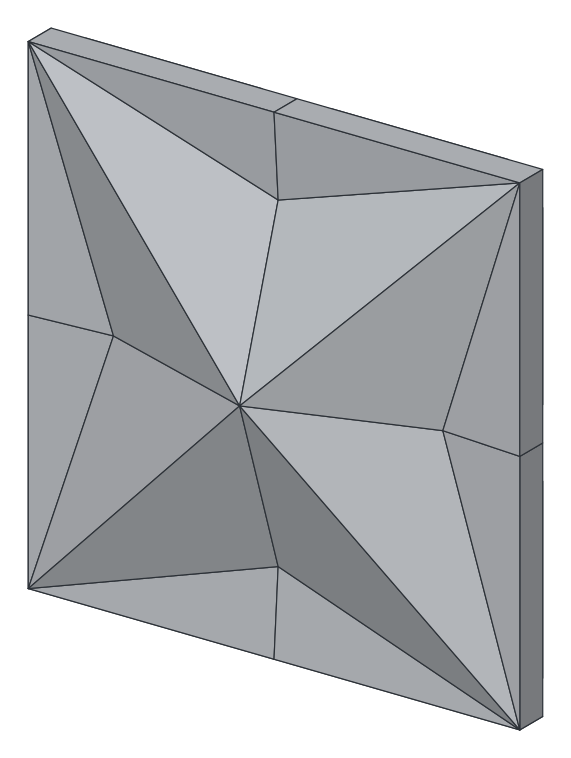 Four-notch star cassette
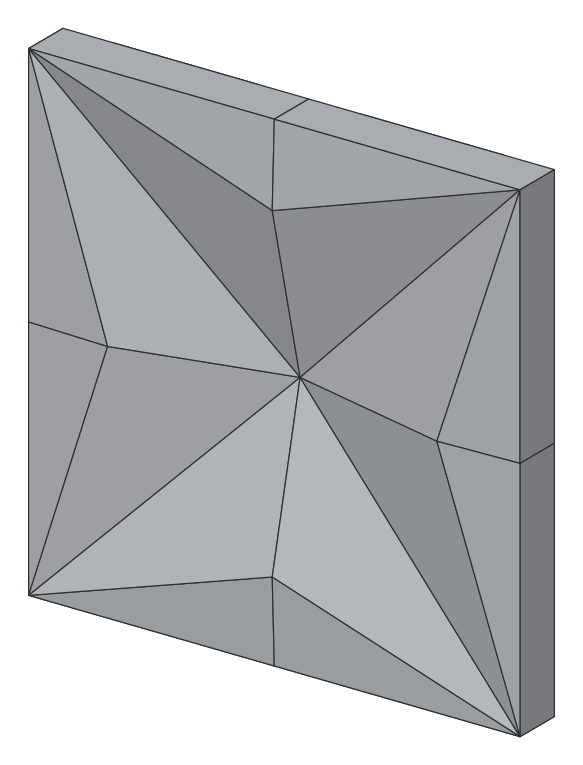 Carved star cassette
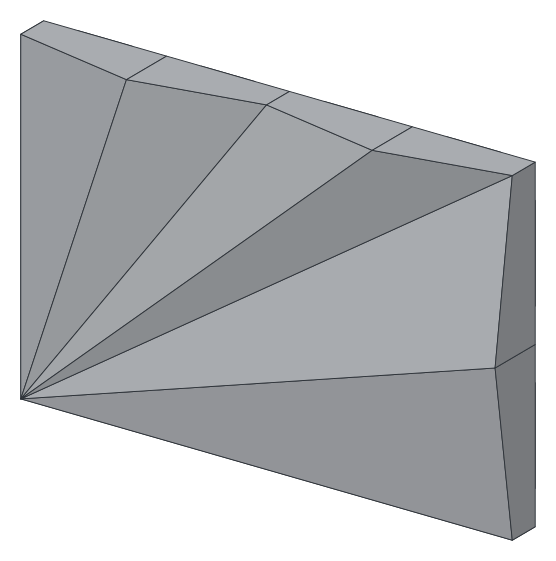 Fan cassette
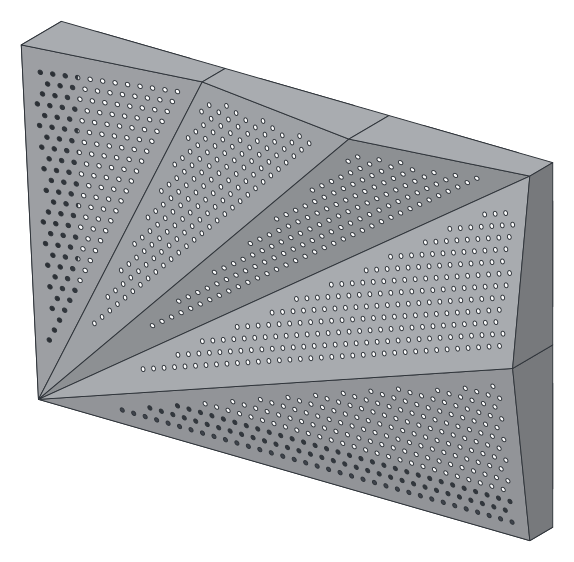 Perforated fan cassette
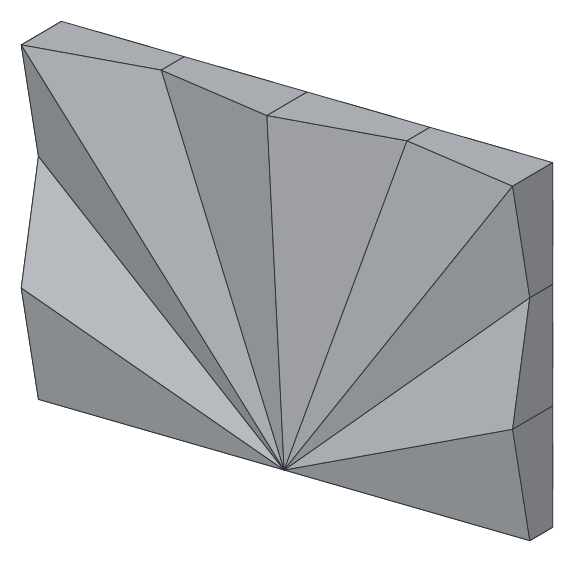 Sunburst fan cassette
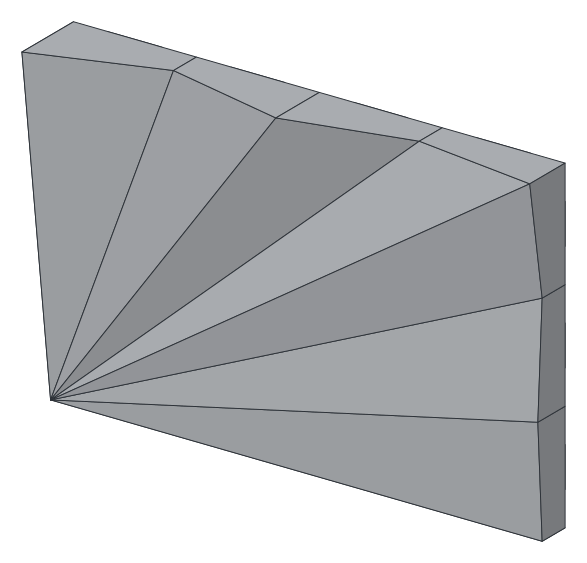 Graduated fan cassette
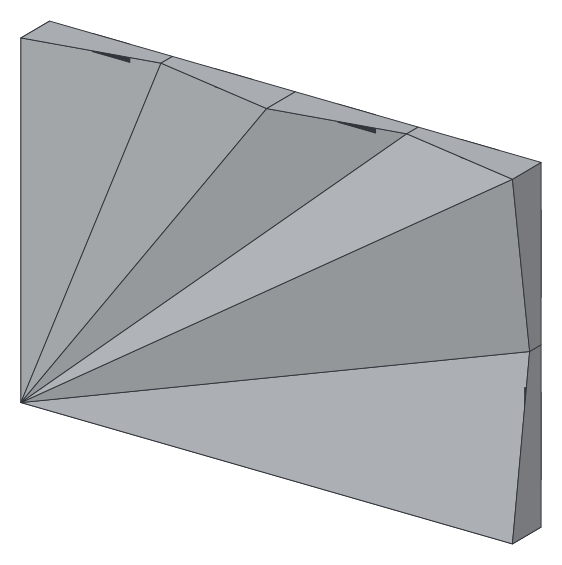 Carved fan cassette
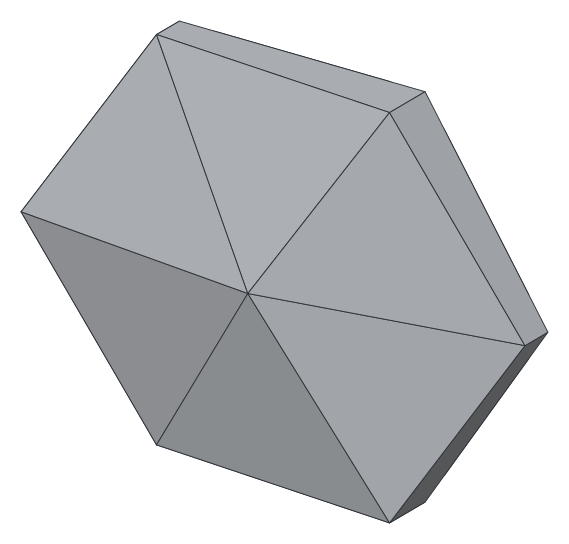 Faceted hexagonal cassette
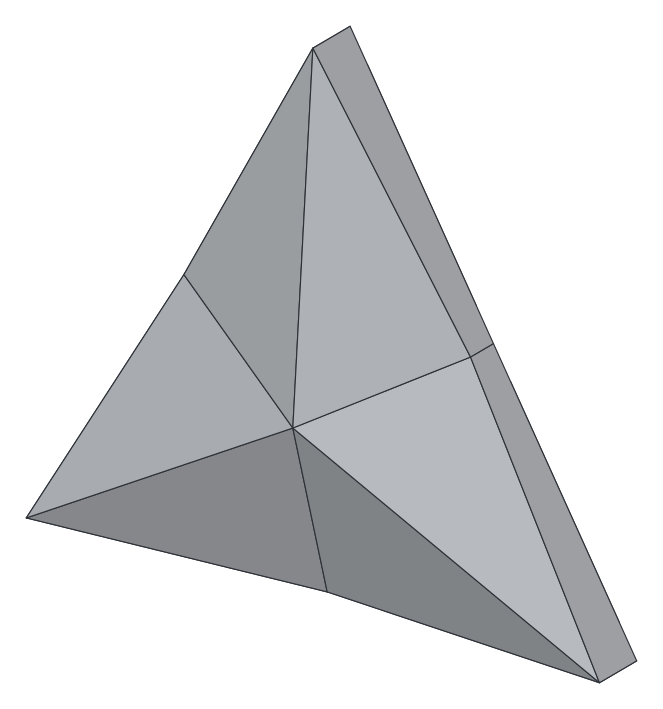 Starred triangular cassette
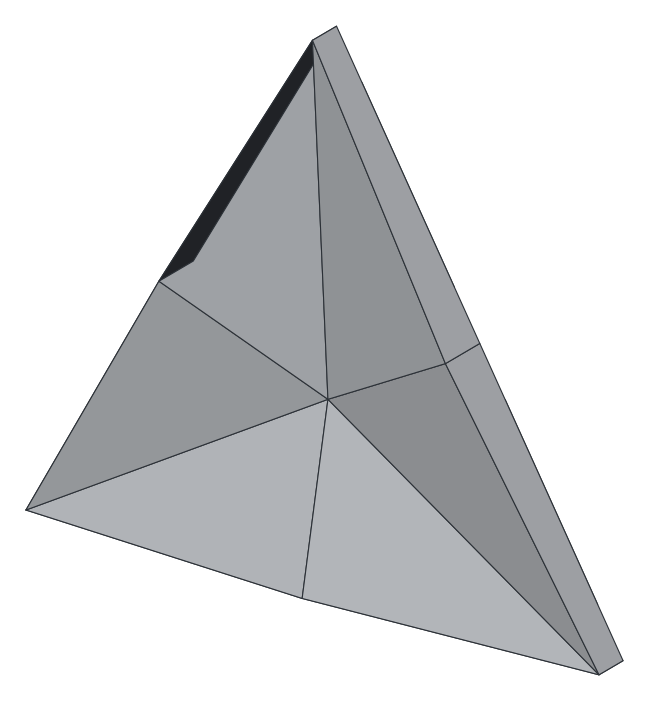 Carved starred triangular cassette
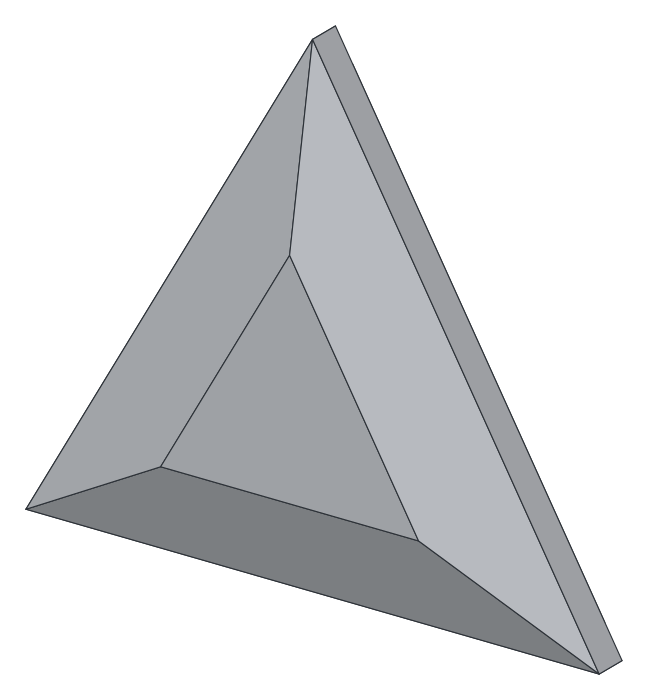 Triangular plateau cassette
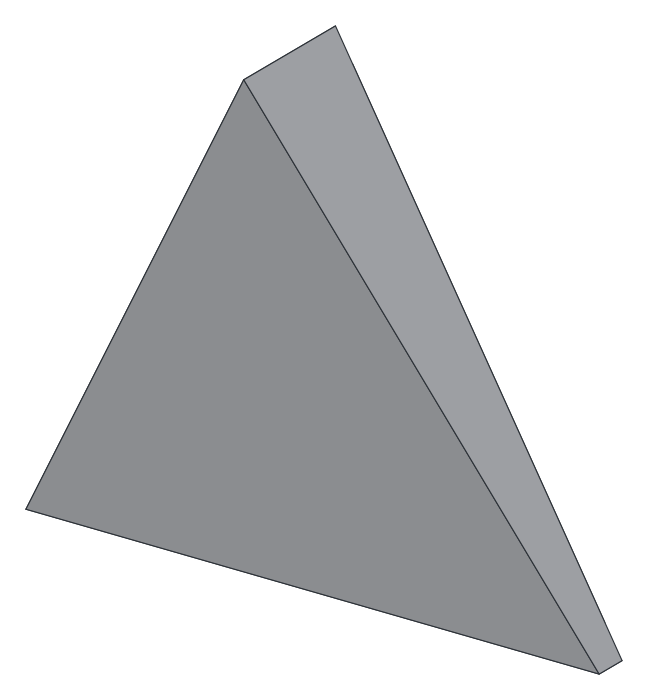 Sloped triangular cassette
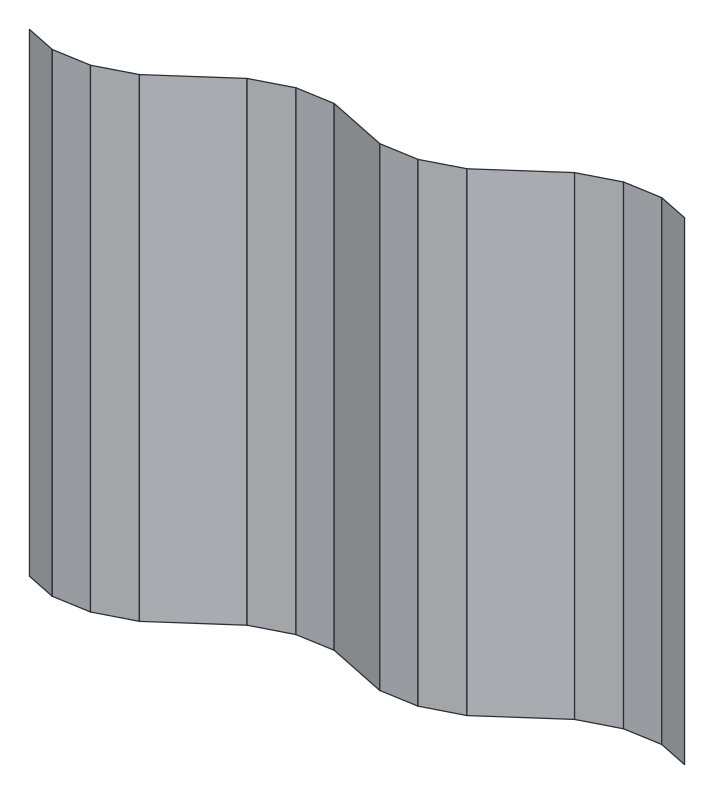 Faceted wave
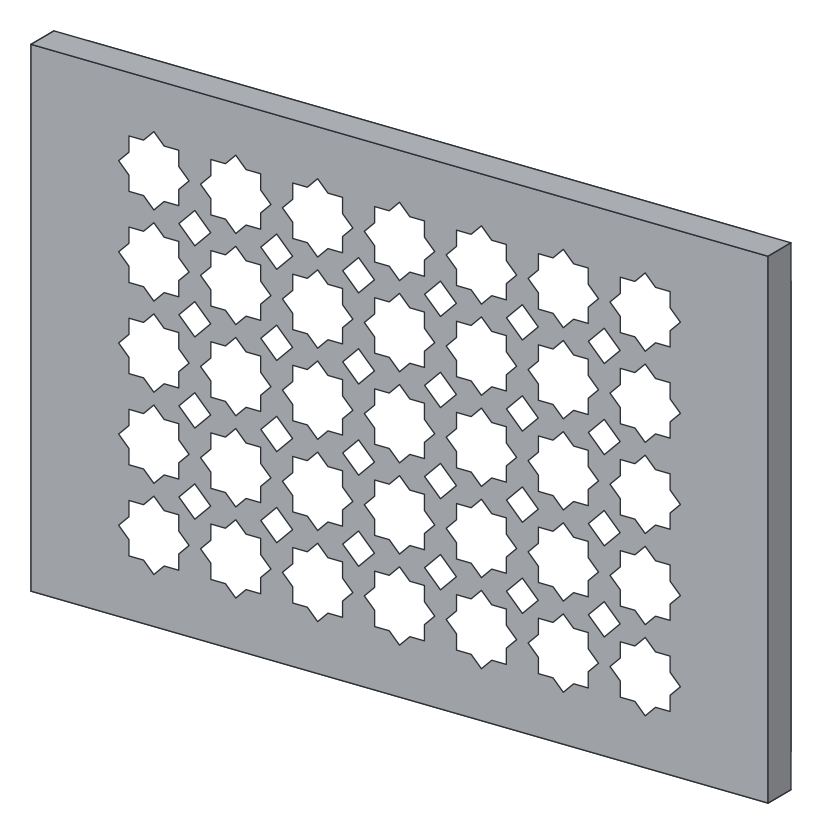 Mashrabiya screen cassette
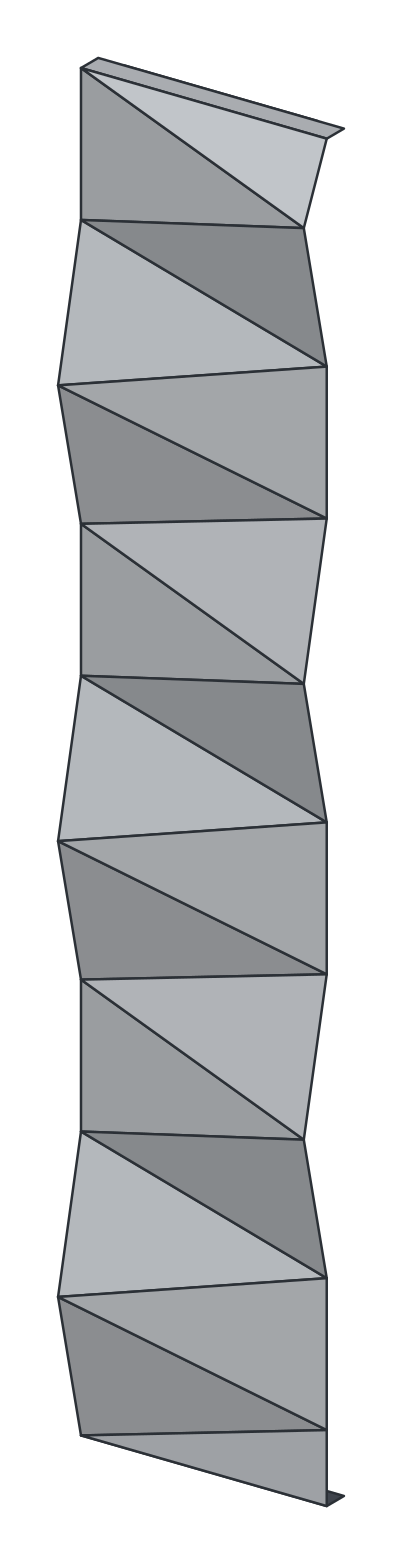 Folded ribbon
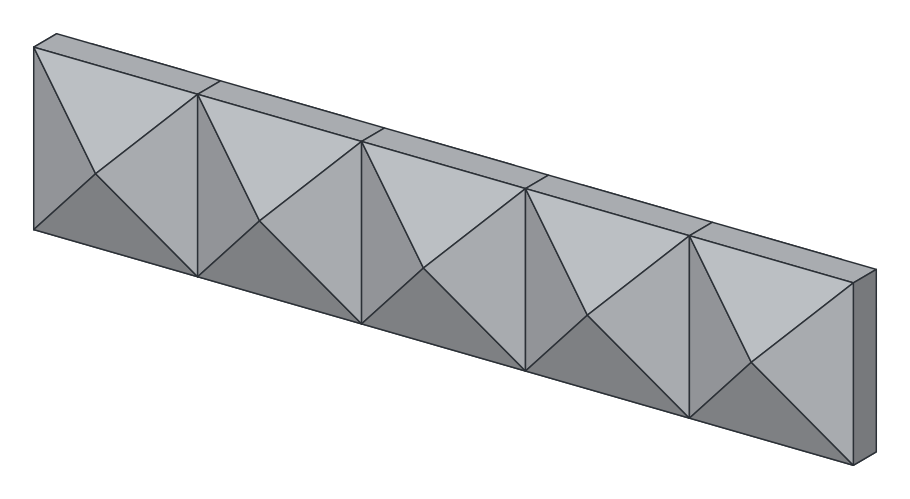 Pyramid mosaic panel
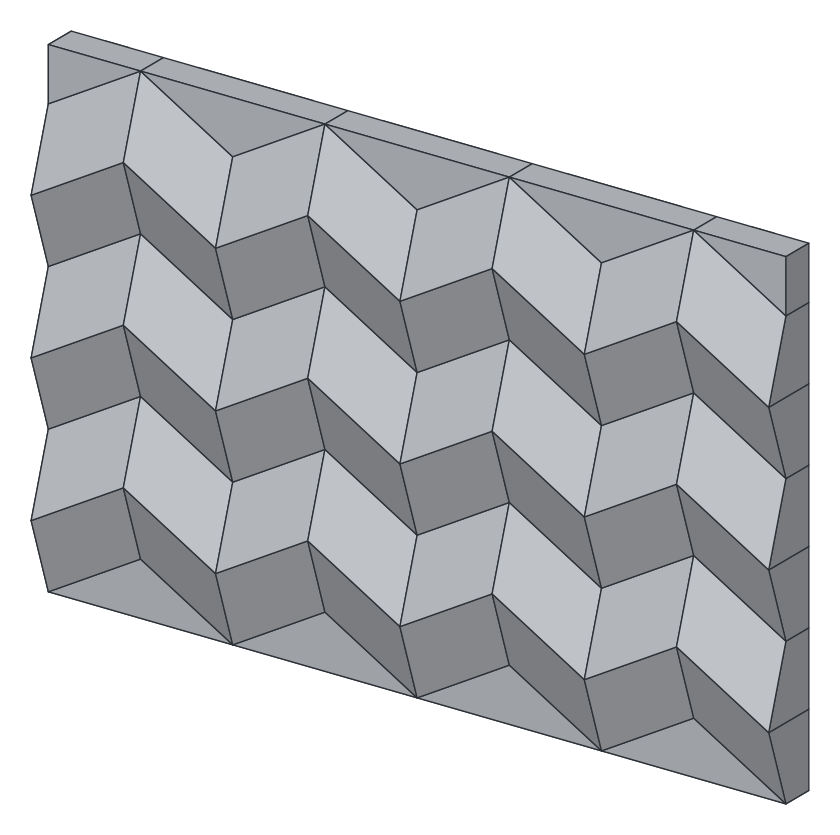 Miura fold panel
Specification questions
- Should a composite brand be specified?
- No, unless fire classification or a manufacturer warranty requires it. The geometry does not depend on the brand but on thickness and residual skin: Alucobond, Dibond, Reynobond and Etalbond groove the same way at equal thickness.
- What is the maximum cassette size?
- The blank must fit the sheet, edge margin included. On 1220 × 2440 / 1500 × 3200, a cassette whose blank exceeds those dimensions cannot be made in one piece; the façade must then be split into smaller modules, which is a layout decision.
- Does relief change the fixing?
- Not in principle: the perimeter returns carry folded fixing tabs, as on a flat cassette. Relief changes the overall depth and therefore the substructure setback.
- Can a sample be made before specifying?
- Yes: the studio exports the DXF of a single cassette, which a workshop cuts and folds in one piece. That is the only honest way to validate a relief depth and a finish — a render does not show how light rakes across the material.
- How many panels per sheet?
- It depends on the blank, not the visible face. Every family page shows panels per sheet and waste at the default parameters, on both common formats.